
Weddings in the are becoming increasingly individual, and bridal fashion is evolving alongside that shift. From backyard ceremonies to destination vows and city hall celebrations, brides are stepping away from rigid traditions and choosing looks that feel authentic to who they are. This evolution has reshaped the conversation around bespoke bridal wear, turning it into something far more nuanced than a single silhouette or aesthetic.
Instead of dressing for expectation, brides are dressing for experience. Comfort, emotion, and personal expression are now just as important as visual impact. This mindset has opened the door for designers like Agaati to redefine bridal fashion as something thoughtful, wearable, and deeply intentional, rather than ceremonial for ceremony’s sake.
How American Weddings Are Changing the Way Brides Dress
The structure of weddings has diversified dramatically. While grand ballroom weddings still exist, many couples are opting for smaller guest lists, unconventional venues, and multi-day celebrations that blend formality with ease.
As a result, brides are no longer looking for gowns that feel heavy or restrictive. They want pieces that allow them to move, breathe, and stay present throughout the day. Bridal wear is now expected to transition seamlessly from ceremony to reception, and sometimes even into after-parties or farewell brunches.
This change has influenced everything from fabric choice to construction, encouraging designs that are lighter, more fluid, and better suited to real-life movement.
Redefining Bridal Luxury in the American Context
Luxury in bridal wear is no longer measured by volume or excess. Instead, it is defined by how a garment feels, how it fits, and how thoughtfully it has been made.
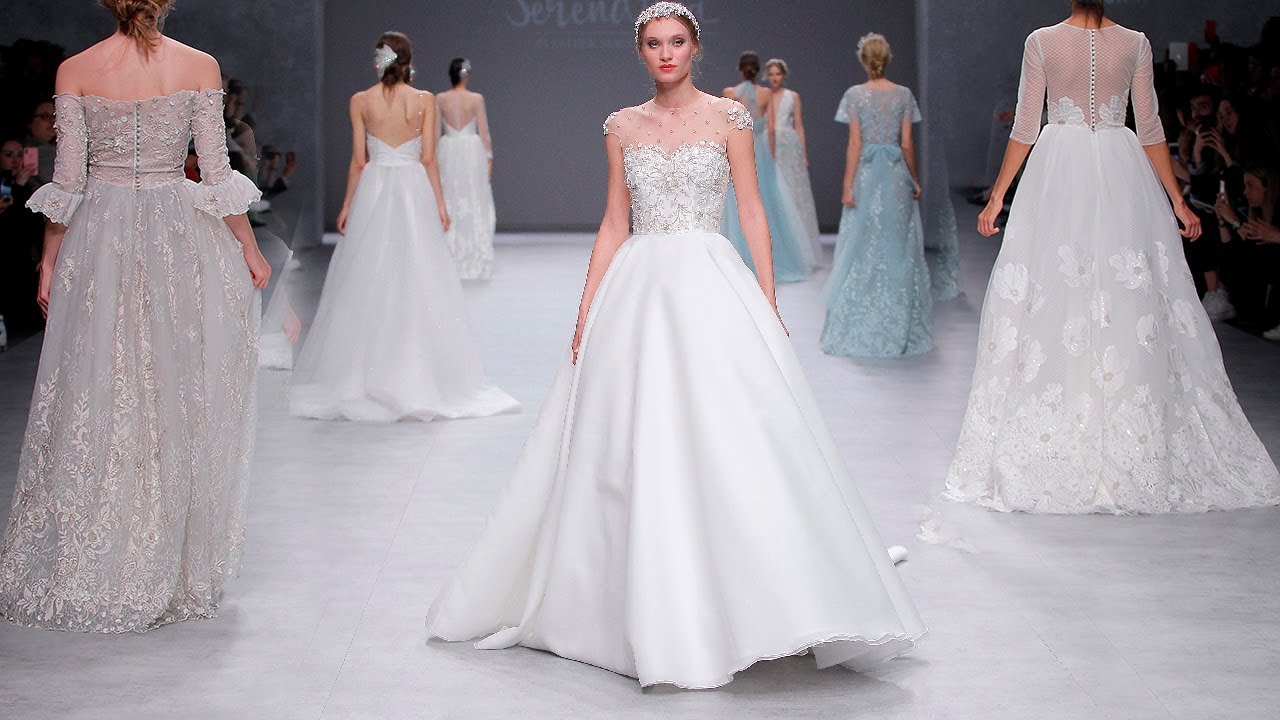
Brides are gravitating toward gowns that emphasize quality over embellishment. Clean lines, architectural tailoring, and refined details are replacing heavily adorned styles. Lace, when used, is lighter and more delicate. Embroidery is often subtle, integrated into the fabric rather than layered on top.
This approach creates gowns that feel timeless rather than trend-driven, allowing brides to look back at their wedding photos without feeling tied to a specific moment in fashion.
Fabric Choices That Reflect Real Wedding Days
Fabric has become central to bridal decision-making. Brides are increasingly aware of how long they will be wearing their gowns and how those fabrics will perform throughout the day.
Soft silks, crepe, chiffon, organza, and lightweight satin are among the most popular choices in bridal wear today. These materials drape naturally, photograph beautifully, and adapt well to different climates and venues.
There is also a growing appreciation for matte finishes and natural textures. Instead of high-shine fabrics that feel formal and rigid, brides are choosing textiles that feel organic and understated, reinforcing the shift toward ease and authenticity.
Colour in Bridal Wear Is Expanding Quietly
While white and ivory remain staples of bridal fashion, colour is being reintroduced in subtle and intentional ways. Soft undertones such as warm champagne, pale almond, blush beige, and muted pearl are gaining popularity.
These shades offer warmth and dimension without straying too far from traditional bridal expectations. They complement a wide range of skin tones and lighting conditions, making them ideal for outdoor ceremonies and natural photography.
Rather than dramatic contrast, the focus is on tonal harmony. Brides are choosing colours that feel soft, elevated, and emotionally resonant rather than overtly bold.
Silhouettes Designed for Movement and Longevity
Modern bridal silhouettes prioritize movement. Brides want gowns that feel effortless, not restrictive, especially during long ceremonies and receptions.
A-line gowns, fluid sheath dresses, softly structured ball gowns, and convertible silhouettes are particularly popular. These shapes flatter a variety of body types while maintaining comfort and elegance.
Another emerging trend is modular bridal dressing. Detachable sleeves, overskirts, and layered elements allow brides to transform their look throughout the day without changing gowns entirely. This flexibility reflects a broader desire for practicality without sacrificing style.
Craftsmanship as a Subtle Statement
In contemporary bridal fashion, craftsmanship is expressed through refinement rather than spectacle. The focus is on precision tailoring, clean finishes, and thoughtful construction.
Details such as hand-finished seams, custom draping, and delicate textural elements elevate the gown without overwhelming it. These choices speak to a bride who values quality and design integrity over visual excess.
For many brides, understanding how a gown is made enhances its emotional significance. Craftsmanship becomes part of the story, connecting the wearer to the process behind the garment.
Bridal Wear That Lives Beyond the Wedding
One of the most notable shifts in bridal fashion is the idea that a wedding gown should not exist solely for one day. Brides are increasingly interested in designs that hold relevance beyond the ceremony.
Some are choosing gowns that can be altered or restyled for future occasions, while others value the idea of passing the garment down or preserving it as a meaningful keepsake. This perspective encourages timeless design and discourages overly trend-specific choices.
The gown becomes a lasting object rather than a fleeting costume, carrying emotional value long after the wedding day.
Styling the Modern Bride
Bridal styling has become more relaxed and personal. Accessories are chosen intentionally, often minimal and meaningful rather than ornate. Jewellery tends to be refined, sometimes incorporating heirloom pieces or custom designs.
Hair and makeup emphasize natural features, favouring soft textures and balanced finishes. The goal is to look elevated while still feeling recognizably oneself.
This cohesive approach ensures that the bride’s overall look feels harmonious rather than overly styled, allowing her personality to remain central.
Where Bridal Fashion Is Headed
Bridal wear is moving toward a more human, experience-driven future. Brides are prioritising comfort, authenticity, and emotional connection over tradition for tradition’s sake.
As weddings continue to reflect diverse identities and lifestyles, bridal fashion will follow suit. The most compelling bridal designs will be those that respect individuality, honour craftsmanship, and support the bride through every moment of her celebration.
Modern bridal wear, in its truest form, is no longer about fitting into a predefined image. It is about creating space for the bride to feel present, confident, and entirely herself.