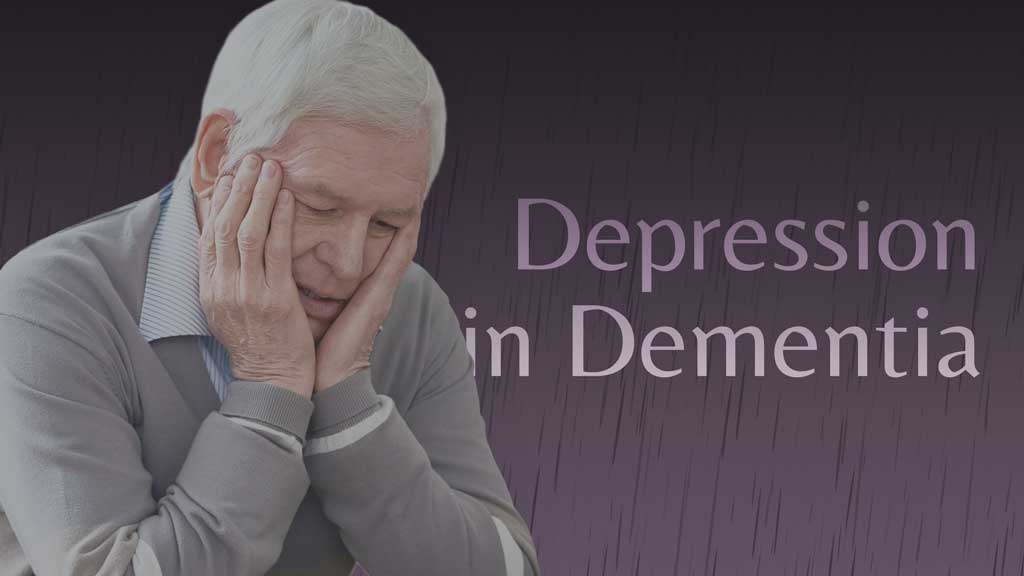

“Memory is the diary that we all carry about with us.”
– Oscar Wilde
Memories are what we keep close to our hearts, what we find the most precious for how they make us feel. What happens when they begin to fade? What once filled us with joy, what we used to exchange with others, to connect with others, begins to slip away?
These are part of life, as you age, it happens, but not always. Sometimes it can be dementia and depression as well. The line between the two is so fine that we might not know which one it is.
Dementia is an umbrella term we use to refer to the loss of one’s memory, speech, thinking abilities, or other brain functions. Dementia is more common among older individuals, but it cannot be called a normal part of aging because a lot of people age well without any signs of the condition.
As of 2021, according to the World Health Organization (WHO), 57 million people have dementia globally, with around 10 million new cases reported every year.
Depression, on the other hand, is a mood disorder. You feel sad and lose interest in things, not just a momentary feeling, but it tends to last longer than one might think. Nearly 332 million individuals had depression worldwide in 2025, as per the WHO.
The numbers themselves tell us that dementia and depression are not unusual, but how they affect us, how they are connected, or if we can trigger one another, is something not many of us know.
This blog aims to do that exactly. To shed light on the relationship between dementia and depression, and understand what one goes through when experiencing these, and what they can do to cope with them. Remember that seeking help from a psychiatrist near me is a crucial thing that you can do, whether you have dementia, depression, or anything else. Don’t dismiss these condition signs as aging or just a stressful phase. Whatever it is, an evaluation can help find that out and get you the right treatment.
Understanding Dementia
The National Institute on Aging defines dementia as the “loss of cognitive functioning”. These functions include our ability to think, remember, and reason. The extent of this loss is such that it affects how a person functions in their daily life.
Our body communicates using a communication network called neurons, which transmits information through electrical and chemical signals. When someone has dementia, these neurons, or nerve cells, die and lose connection with other brain cells.
These neurons die in everyone as one ages, but the speed is much faster for someone who has dementia.
As a result, they experience certain signs and symptoms:
- Confusion
- Trouble with memory
- Easily irritated
- Problem speaking or understanding
- Daily activities are not as interesting as before
- Routine tasks also need more time for completion
- Balance and movement issues
Dementia is not a single disease and is caused by various neurodegenerative disorders. This umbrella term, dementia, has a few types.
- Alzheimer’s disease: It is the most common type that is diagnosed in older individuals. It disrupts communication within your brain by the abnormal buildup of proteins, amyloid plaques, and tau tangles.
- Frontotemporal dementia: This rare type of dementia usually occurs in those younger than sixty. Its impact spreads to the frontal and temporal lobes of the brain, and hence influences a person’s personality, their behaviour, or movement.
- Lewy body dementia: Alpha-synuclein, a protein, builds up at an abnormal rate. One might experience tremors or balance issues as symptoms.
- Vascular dementia: Occurs when the blood vessels in the brain are damaged, or the blood and oxygen cannot properly flow to the brain.
- Mixed dementia: When an individual is experiencing two or more forms of dementia.
Dementia causes physical changes in your brain, but its effects are hardly limited to physical manifestations. Its impact goes beyond that, affecting a person’s mental health and how they feel.
What do you mean by depression?
Almost everyone, at some point in their life, says, “I’m depressed”, but is it just a moment of sadness or a low point in life that’s depression? No. It is more than that. As per the National Institute of Mental Health, depression is severe; it “affects how you feel, think, and handle daily activities”.
Depression affects the basic things that we as living beings do. Something as natural as sleeping or eating also becomes difficult due to depression, and the worst thing is, you might not even know why you are feeling that way.
Some symptoms of depression include:
- A sense of sadness or emptiness
- Lack of interest in things that used to be fun
- Sleeping a lot or very little
- Physical pain or headache
- Digestive issues
- Thoughts of suicide or dying
- Distancing from friends and family
Depression exists and affects people in different ways. Some major types of depression include:
- Major depressive disorder (MDD): You might find yourself in a depressed mood and losing interest most of the time, for the majority of the time, lasting at least two weeks.
- Persistent depressive disorder: Also known as dysthymia, the symptoms are less severe, but they last longer, for as long as two years.
- Seasonal affective disorder: The individual is depressed for a few seasons, usually in the late fall and winter, but the symptoms go away in spring and summer.
- Postpartum depression: Many new mothers struggle with their mood swings and feel low after childbirth. The symptoms can be severe to the extent that they have difficulty looking after their child.
Is there a link between depression and dementia?
Yes, there is. The relationship between dementia and depression is no less than that of a vicious cycle. Their symptoms not only mimic each other, but the conditions actively feed on each other.
Bidirectional relationship
Depression, as per a study released in 2025, causes the danger of neurodegenerative disease; it could be one of its initial symptoms, or could also happen as a result of it.
Changes in neurobiological mechanisms. Dysregulation of the HPA axis (responsible for energy, mood, and response to threat) and neuroinflammation can be blamed for this “bidirectional relationship.”
Simply put, depression can speed up the onset of Alzheimer’s disease, vascular dementia, or Parkinson’s, and vice versa.
Cortisol and the hippocampus
The stress hormone cortisol is often high in people with depression. This hormonal imbalance, in the long run, harms the hippocampus, a region of the brain that is in charge of your memory.
So when you forget something, it doesn’t need to be because of dementia, but it could be because of depression as well.
Pseudodementia
Many people who have depression, and those close to them, have highlighted that they experience cognitive impairment. Depression affects an individual’s ability to:
- Pay attention
- Plan out things
- Remember and process information
During depressive episodes, cognitive disorder has been found in 85 to 94% of the time in those with Major Depressive Disorder (MDD).
Scientifically, the term pseudodementia is used to describe symptoms that mimic dementia but are actually caused by certain psychiatric conditions, most of the time, depression.
Those aged between 50 and 60 are commonly affected by pseudodementia. The condition can be identified by:
- Memory issues
- Speech problems
- Difficulty in executive functioning
However, it is not always easy to identify because of the strong overlap with other conditions.
Lifestyle and neuroprotection
People with depression often prefer to isolate themselves from others, and they also avoid engaging in physical activities. Social engagement and exercise are neuroprotective strategies. These strategies can protect you against chronic diseases like Alzheimer’s and Parkinson’s.
So, by distancing oneself from friends and family and not caring much about physical activity, an individual is increasing their risk of developing dementia.
What is the difference between dementia and depression?
| Parameters | Dementia | Depression |
| Onset | Slowly and gradually over the years | Can develop over weeks or months |
| Progression | Progressive and worsens over time | May improve with proper treatment |
| Awareness | Affected individuals are often not aware of their symptoms or can deny them | Concerned individuals are usually aware and concerned about symptoms |
| Memory Issues | True memory loss, especially of recent events | Difficulty concentrating, appears like memory loss |
| Mood | Apathy, irritability | A feeling of sadness or hopelessness dominates |
| Reversibility | Usually irreversible | Often treatable and reversible |
| Underlying Cause | Neurodegenerative brain changes | Biological, Psychological, Environmental |
When to consider evaluation for dementia and depression?
Both dementia and depression can affect how you live your life. You can lessen the hold that dementia and depression have on your life by identifying them early and seeking treatment sooner.
Consider visiting the doctor when:
- You struggle with memory, especially recent memories
- You face difficulty with planning or judgment
- Daily tasks are becoming a challenge
- Your mood has been low, or you have been losing interest for two or more weeks
- Your concentration or thinking ability suddenly declines
- You notice your personality and behavior changing
- You sleep too little or much more than your usual hours
- Your appetite has significantly changed
- You notice a change in your energy levels
- You have thoughts of harming yourself or considering suicide
- Your family or friends notice a change in your behavior or memory
Diagnosing dementia and depression
Visiting a doctor, like a neurologist or psychiatrist, is not easy for everyone. Your hesitation can ease if you know how they diagnose dementia and depression. You get some clarity. That alone can relieve some of your worries.
Diagnosing dementia involves:
- Assessing and ruling out any other underlying condition that could mimic dementia.
- Clinical interviews to review your and your family’s medical history.
- Your memory, problem-solving skills, language, and mathematics skills could be tested to check your cognition.
- You might have to go through brain scans to look for anything that could potentially cause dementia, such as a stroke, a tumor, or any changes in your brain structure.
- Your doctor might recommend a psychiatric evaluation if you notice any behavioural or mood changes to see if depression or any other mental health condition is contributing to dementia symptoms.
Diagnosing depression involves:
- A physical examination is conducted to make sure your symptoms are not caused by an underlying condition, but by depression.
- You have to go through a psychiatric evaluation where you’ll be shedding light on what you think, how you feel, and your behavioral tendencies.
A diagnosis is not supposed to be scary; if anything, it is the opposite. Uncertainty is what can make you afraid of something, but when you know what the matter is, you will also find out what you can do about it.
Dementia and depression treatment
Even though dementia is irreversible, you can manage it. The entire point of managing dementia is to lessen its impact on your daily life, to reduce some of the suffering that is caused by the condition. The aim is to delay the progressive cognitive decline.
Some approaches to managing dementia include:
- Cognitive stimulation: You participate in activities that stimulate your cognitive function. You could read, play chess, or do anything that challenges your brain, but not to a point where it frustrates you or stresses you out.
- Physical exercise: Exercising is great for your cardiovascular health. Swimming and walking alone help not just your blood pressure and the risk of stroke, but they can also have a positive impact on your cognitive functioning.
- Sleep: A good sleep for adequate hours without being disturbed is equally important.
- Social engagement: Participating in social events, whether that’s a holiday, birthday party, or any event where you can interact with people or even with pets, can prove beneficial.
The treatment for depression depends on how severe your depression is, your medical background, and what suits you. The treatment for depression often works on a trial-and-error basis.
What works for somebody else might not work for you. That’s why you need the help of a mental health professional, like a psychiatrist, to receive treatment that’s made for you.
Primarily treating depression involves:
- Psychotherapy: where you either alone or in a group talk to a trained professional, and they help you find new approaches to your thinking and behavior that could change your habits that might be related to depression. These therapies today, with the help of technology, are as effective online as they are in person.
- Medication: Your doctor might prescribe medications based on your needs. Antidepressants influence the chemicals that are responsible for your mood or stress. You need to give some time for the medications to take effect, as they usually take weeks to work, and gradually, your sleep, appetite, and mood will get better.
On an important note, you must not stop taking medications suddenly. If you suspect the medication is not working or if there is any side effect, you can consult a board-certified psychopharmacologist for effective medication management in your psychiatric treatment.
An online psychiatrist or psychopharmacologist can recommend psychotherapy, medication, or both. It entirely depends on what works best for you.
Looking after the invisible
The science of how the brain works and what we feel has a connection that we cannot deny, but the will of an individual is also undeniable. The symptoms of dementia and depression can seem like a lot.
After all, they affect what we should be able to do as humans, living with a genuine smile, meeting those we love, reconnecting, remembering the shared experiences, and making new memories. If someone is not able to do these things, it is not their personal failure, but just medical conditions that can be helped.
You are the one, of course, who needs to take the first step. Contact a neurologist, psychiatrist, or neuropsychiatrist when you feel something is ‘off’. It could be you having trouble remembering something, planning things like earlier, having sudden outbursts or mood swings, or anything that makes you uneasy.
Whether you have dementia, depression, or anything else, the point of visiting a professional is getting all the answers that you need.
Just because you cannot see a problem with your eyes does not mean it doesn’t exist. If you can feel it, it surely does. You might not know what it is that you are feeling or why, but there has to be a reason; everything has. Reach out to us and let’s find that reason together.