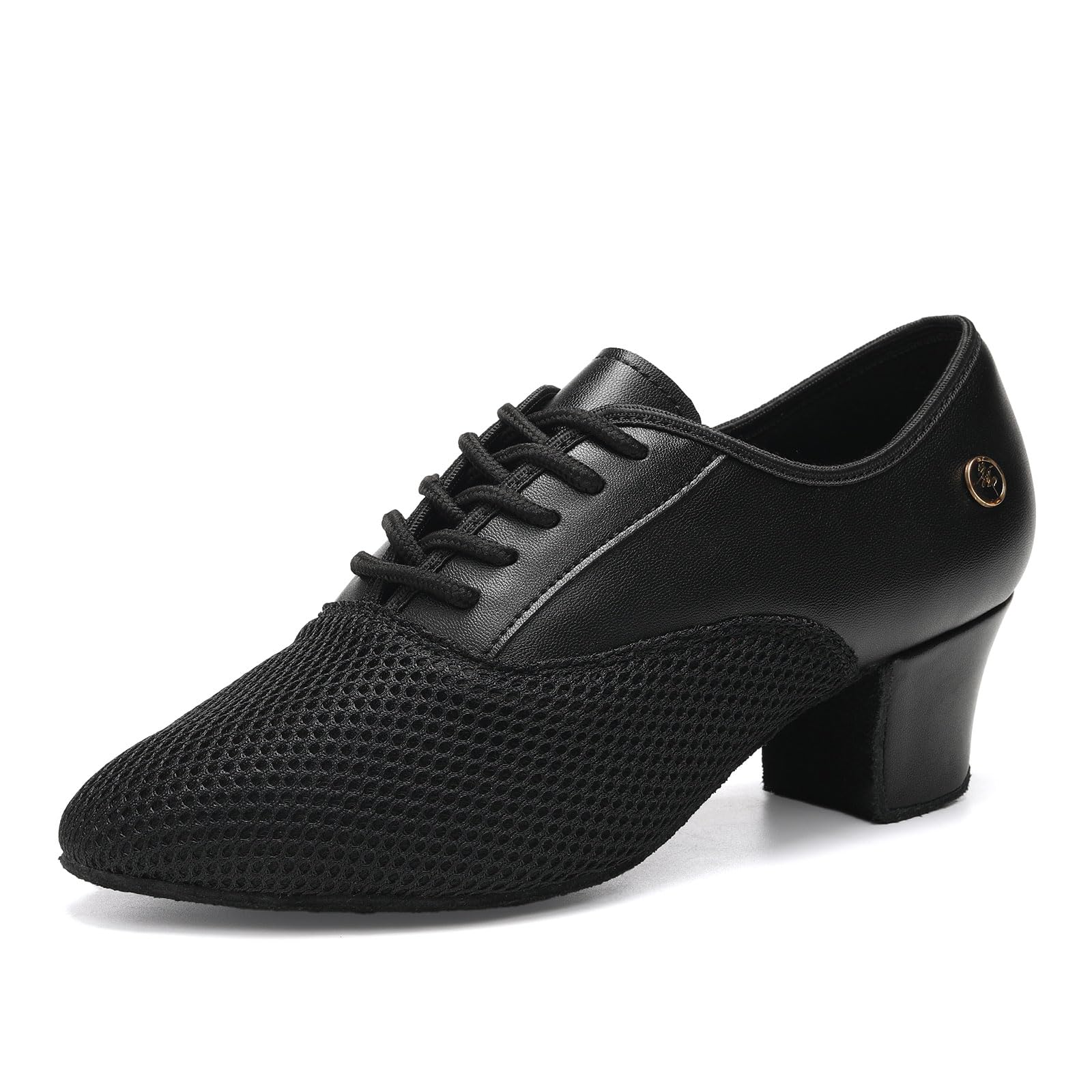

Ballet and stage shoes bend a lot. Toes point. Arches roll. Heels lift. Floors can be rough. Rosin dust sticks. Seams take the load every rehearsal and show. Good thread and smart stitches keep the shoe light and beautiful while staying strong. Here is a simple guide that works in real studios.
What the seam must survive
Dance puts special stress on shoes.
- Very tight curves at the toe box and vamp.
- Repeated flex to full point and back.
- Abrasion from marley, wood, and rosin.
- Sweat and quick dry between classes.
- Quiet needs. Seams should not squeak.
So we choose fine threads that glide (nylon sewing thread like bonded nylon thread). We choose small clean needles. We place seams so they avoid hot spots on the foot.
Picking the right fine thread
- Corespun polyester is a strong default. It is smooth. It holds strength in flex. It handles sweat and quick dry well.
- High tenacity polyester at stress rails like the vamp edge and heel draw. Strong for size lets you use a smaller needle.
- Textured polyester in loopers where the seam touches skin. It feels soft and reduces squeak.
- Silk or cotton look only for special visible lines when you want a classic hand. Test first. Natural fibers can fuzz on rough floors.
Choose the finest passing ticket that still meets seam strength. Fine thread means smaller holes, nicer curves, and better flex life.
Needle choice and settings
Use needles that protect delicate uppers.
- Micro or light round for satin, microfiber, coated textiles, and thin leather.
- Ball point for knit collars and elastic casings.
- Start NM 60 to 80 depending on thickness. Smaller is better if it forms a clean stitch.
- Use coated needles to control heat at high speed or on coated films. Heat can glaze and weaken edges around holes.
Keep top tension gentle. A hard ridge rubs the foot and ages poorly.
Stitch types that move with the foot
- Lockstitch 301 for most construction. It is tidy and easy to control on curves.
- Zigzag 304 for elastic casings and draw channels. It stretches and recovers.
- Coverstitch on soft collars if the style allows. Low profile.
- Hand tacking at pointe wings or shanks where tradition and micro placement matter. Two short wide tacks often beat one dense bar.
Stitch length helps flex.
- Construction lines 2.5 to 3.2 mm on fine uppers.
- Visible top lines 3.2 to 3.8 mm for calm looks and fewer holes.
- For delicate satins, test at 3.0 mm. Too short can perforate like a dotted tear.
Seam maps that protect pain points
Move seams away from bones and tight bends.
- Keep heavy seams behind the met heads by 5 to 8 mm.
- Avoid seam crossings on the big toe nail line.
- Round every corner to 6 to 8 mm radius. Tight corners crowd holes and crack during deep point.
- If the upper has split panels, run joins along low pressure valleys, not across the toe ridge.
Press light stitch channels so thread sits slightly lower than the wear plane. Floors and barres then rub fabric first, not thread.
Reinforcement paths for pointe and character shoes
Think of three gentle roads that carry load.
- From vamp edge to shank.
- From lateral wing to heel counter.
- From drawstring channel to quarter.
Use narrow underlay tapes inside allowances. Width 3-4 mm. Same polymer family as the upper for clean bonding. Stitch with the fine thread and keep two slim rows 2 to 3 mm apart where extra hold is needed.
Drawstrings, elastics, and ribbons
Closures must share load without making hard points.
- For drawstrings, stitch the channel with 304 zigzag or a long 301 at low tension so the casing glides. Use soft backers where the lace ends sit.
- For elastics, anchor with two short wide tacks instead of one dense bar. Width 3-4 mm. Around 10-14 stitches.
- For ribbons, spread the attachment with a small underlay tape and keep the stitch away from the Achilles to avoid rub.
Abrasion and floor reality
Marley and wood floors can be rough near set seams.
- Use double rail topstitch on scuff zones. Two slim rows share wear better than one dense line.
- If the style allows, apply a thin guard film at the toe edge, then stitch through it with the fine needle so holes stay tiny.
- Keep bond lanes narrow and clean. Excess glue chips and can start thread wear.
Moisture and care
Sweat and rosin change friction.
- Fine polyester threads keep strength when damp.
- Ask dancers to air dry shoes, not on heaters. Heat can shrink casings and tighten seams.
- Avoid fabric softeners on covers and elastics. Residue can make seams squeak.
Simple studio tests
- Deep point flex
Put on the shoe. Hold a full point for 10 seconds. Repeat 50 times. Check for stitch whitening at vamp corners. If seen, lengthen to 3.2 mm and increase corner radius. - Turn and drag
Quarter turns on marley with light toe drag. Inspect thread fuzz and satin pulls. If fuzz appears, move to high tenacity polyester on that line or add a stitch channel. - Ribbon and elastic pull
Pull to typical tie force 50 times. Look for hole growth at the anchor. If growth shows, add an underlay tape and split one bar into two short tacks. - Sweat simulation
Mist the vamp and flex 500 cycles. If pucker grows, lower top tension and try a smaller needle.
Troubleshooting quick table
| Problem | Likely cause | Fast fix |
| Thread fuzz at toe edge | Abrasion and tall ridge | Press stitch channel, switch to high tenacity polyester on edge |
| Crack lines at vamp corner | Tight radius and short stitch | Radius 6 to 8 mm, lengthen to 3.0 to 3.5 mm |
| Squeak near collar | High tension and dry finish | Lower tension, use textured looper thread on skin side |
| Ribbon anchor tears | Dense bar on delicate fabric | Add underlay tape, two short wide tacks not one long bar |
| Pucker after class | Needle too big or tension high | Drop needle one size, relax top tension, test again |
Tech pack lines you can copy
- Thread fine corespun polyester for construction, high tenacity polyester at edge rails, textured polyester in loopers for skin side
- Needles micro or light round NM 60 to 80, coated type on coated films
- Stitch 301 construction 3.0 to 3.2 mm, top lines 3.4 to 3.8 mm, stitch channels on scuff paths
- Reinforcement same family tapes 3 to 4 mm at vamp to shank, lateral wing to heel, and ribbon anchors
- Corners radius 7 mm minimum at vamp and wing turns
One week pilot plan
Day 1 build two uppers with two stitch lengths and two needle sizes.
Day 2 add underlay tapes and sew channels on one set.
Day 3 run deep point flex and turn tests on marley.
Day 4 adjust corner radius and stitch tension where whitening shows.
Day 5 do ribbon and elastic pull tests.
Day 6 studio class wear for one session.
Day 7 lock the recipe that feels soft on foot and survives flex and drag.
Wrap
Dance shoes should be quiet, soft, and tough. Fine threads with small clean needles make tiny holes and smooth curves. Longer stitches and rounded corners keep seams alive through full point. Underlay tapes carry load without bulk. Test in real moves. Tune one change at a time. Do this and your pointe and dance footwear will look elegant and last through training and shows.